
Service details
Procedure details and treatment flow
Examination by a nephrologist specialist
Nephrology is a branch of internal medicine that deals with the prevention, diagnosis and treatment of diseases of the kidneys and urinary tract.
Kidneys are vital organs whose main role is to filter blood, remove waste materials and excess fluid from the body, but they also play a key role in blood pressure regulation and the production of important hormones.
Preserving the health of the kidneys is a prerequisite for the normal functioning of the entire organism, and an examination by a specialist nephrologist is a crucial step when the first signs of disturbances in their work or changes in laboratory findings appear.
Important note: Kidney diseases are often called "silent diseases" in medicine. In the early stages, kidney damage usually does not cause any clear symptoms or pain.
That is why regular laboratory tests of blood and urine are of crucial importance, especially for people suffering from diabetes or high blood pressure, because these are the two leading causes of chronic kidney failure.
When to visit a nephrologist
A clinical examination by a nephrologist includes a detailed discussion with the patient about complaints and family medical history, a careful physical examination and an in-depth analysis of laboratory parameters of kidney function.
Indications for a nephrologist's examination
- Problems with urination: frothy urine, blood in the urine, difficult or reduced urination.
- Swelling of the eyelids, face or generalized swelling.
- Weakness and anemia.
- High blood pressure.
- Treatment and control of kidney disease.
- Recommendation of a hygienic-dietary regimen for kidney patients.
The most common kidney diseases
- Renal weakness: Acute and chronic kidney failure.
- Calculus: Stones and sand in the kidneys and urinary tract.
- Infections: Frequent urinary infections and severe inflammation of the kidneys.
- Diabetic Nephropathy: Kidney damage due to long-term diabetes.
- Autoimmune and congenital diseases: Glomerulonephritis and polycystic kidneys.
Modern diagnostics and treatment
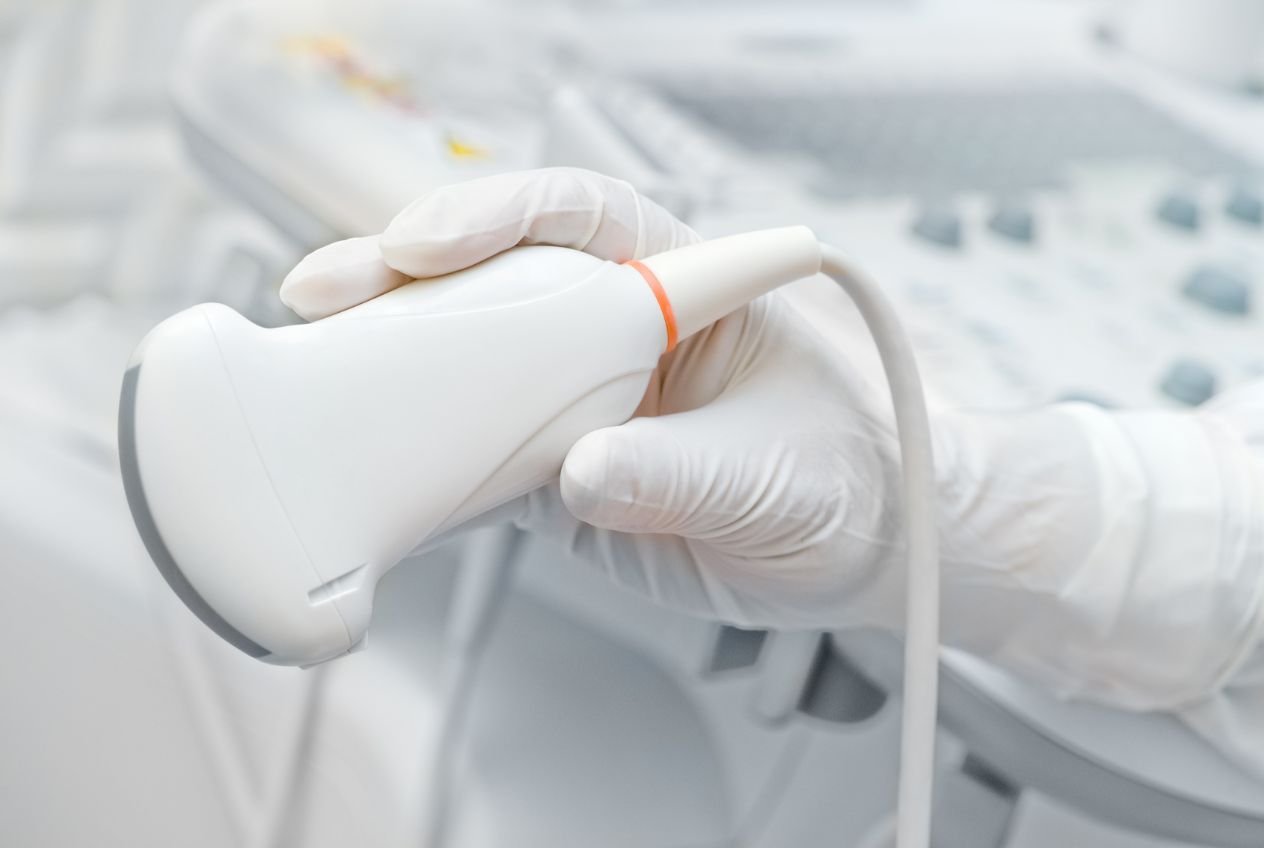
The basis of a quality nephrological examination is precise diagnosis. In our polyclinic, we pay great attention to the detailed interpretation of laboratory parameters in combination with ultrasound.
Ultrasound examination of the urotract enables painless and quick detection of changes in the size and structure of the kidneys, as well as early detection of the presence of stones, cysts or stagnation in urine flow.
Our final goal is early recognition of the problem and the prescription of adequate, individual therapy that will slow down or completely stop the progression of kidney disease.