
Service details
Procedure details and treatment flow
Transcranial doppler of the arteries of the head
Transcranial Doppler (TCD) of the arteries of the head is a completely painless and non-invasive ultrasound diagnostic method that examines the hemodynamic characteristics of blood flow through the blood vessels of the brain (intracerebral circulation).
This examination enables a quick and precise assessment of the speed of blood flow through the large blood vessels of the brain, as well as checking the symmetry of that flow on the left and right side of the head.
In our polyclinic in Kragujevac, we are dedicated to the application of the most modern ultrasound methods that give doctors a clear insight into the state of your cerebral circulation, thus ensuring timely diagnosis and adequate treatment.
Important note about preview options: Although TCD perfectly measures the speed and quality of blood flow, this examination cannot determine the exact anatomical appearance of the blood vessels themselves.
If the doctor suspects structural anomalies (such as an aneurysm) based on the Doppler examination, more advanced radiological methods such as CT or MR angiography of the blood vessels of the head are used for this purpose.
Who is this examination recommended for?
The examination is routinely performed in patients who have specific neurological complaints, but also as a preventive measure in persons who belong to the risk groups for the occurrence of stroke and vascular diseases.
Present ailments and conditions:
- Frequent and unexplained headaches
- Dizziness, fainting and feeling unsteady
- Patients with a previous stroke or transient ischemic attack (TIA)
- Preparation for certain cardiovascular operations
Risk factors:
- Chronic high blood pressure (hypertension)
- sugar disease (diabetes)
- Elevated levels of fats and cholesterol in the blood
- Long-term smokers
- Genetic predisposition to vascular diseases
What the examination looks like and the frequency of controls
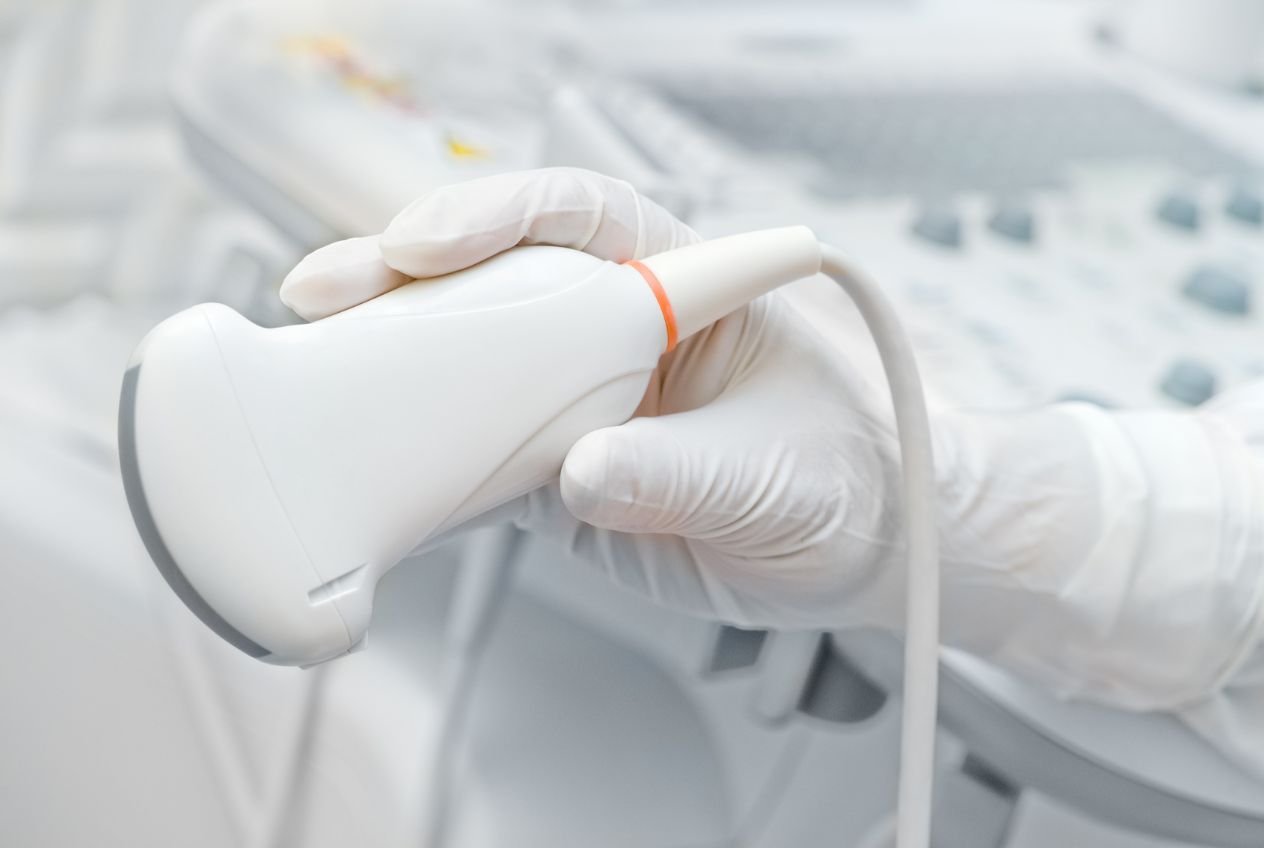
The examination is performed by insonation (applying the ultrasound probe) to the major blood vessels of the head through appropriate acoustic "windows". These are anatomical places where the bones of the skull are naturally thinner (temporal, orbital and suboccipital regions). Before placing the probe, a layer of clear gel is applied to the skin.
The procedure is performed in a relaxed, lying position, it takes about 20 minutes, and immediately after that the patient receives a detailed written report on the state of cerebral circulation.
With transcranial doppler of the arteries of the head, as well as with all other diagnostic ultrasound examinations, until now absolutely no adverse effects were registered nor radiation. Therefore, the examination can be safely repeated several times. Depending on the results, controls are repeated every one to two days for normal findings, while for pathological findings, they are recommended every 6 months, and more often at the doctor's discretion.