
Service details
Procedure details and treatment flow
Urology and urological examination
Urology is a branch of medicine that deals with diagnosis, treatment and monitoring of diseases of the urinary tract in men and women, as well as diseases of the reproductive organs in men.
The health of the urinary system is of vital importance for the normal functioning of the entire organism. Urological problems, whether acute or chronic, can significantly impair daily quality of life, work ability and general health.
An examination by a urologist specialist includes a detailed examination of the condition of the kidneys, ureters, bladder, urethra, as well as the prostate and testicles in male patients.
Important note for men: Preventive urological examinations are crucial for the early detection of prostate diseases, including tumors that do not cause any symptoms in the early stages.
All men over the age of 50 (or over the age of 45 if there is a family history of the disease) are advised mandatory preventive examination by a urologist and laboratory control of the prostate tumor marker (PSA) at least once a year.
When to visit a urologist and what is being treated
Many patients postpone visiting a urologist because of the discomfort. However, a urological examination is routine, quick and in most cases completely painless, and early reporting to the doctor prevents serious complications.
The most common symptoms and complaints:
- Pain, burning or difficulty urinating
- Frequent and nocturnal urination
- Feeling of not emptying the bladder
- Presence of blood in the urine (hematuria)
- Dull or sharp, severe pain in the area of the kidneys and lower abdomen
- Changes in the skin of the genitals
- Problems with potency and erectile dysfunction
The most common diseases and interventions:
- Urinary tract infections: Inflammation of the bladder (cystitis) and kidneys in women and men.
- Kidney stone: Diagnosis and monitoring of calculus of the urinary tract.
- Diseases of the prostate: Benign prostate enlargement (BPH) and inflammation of the prostate (prostatitis).
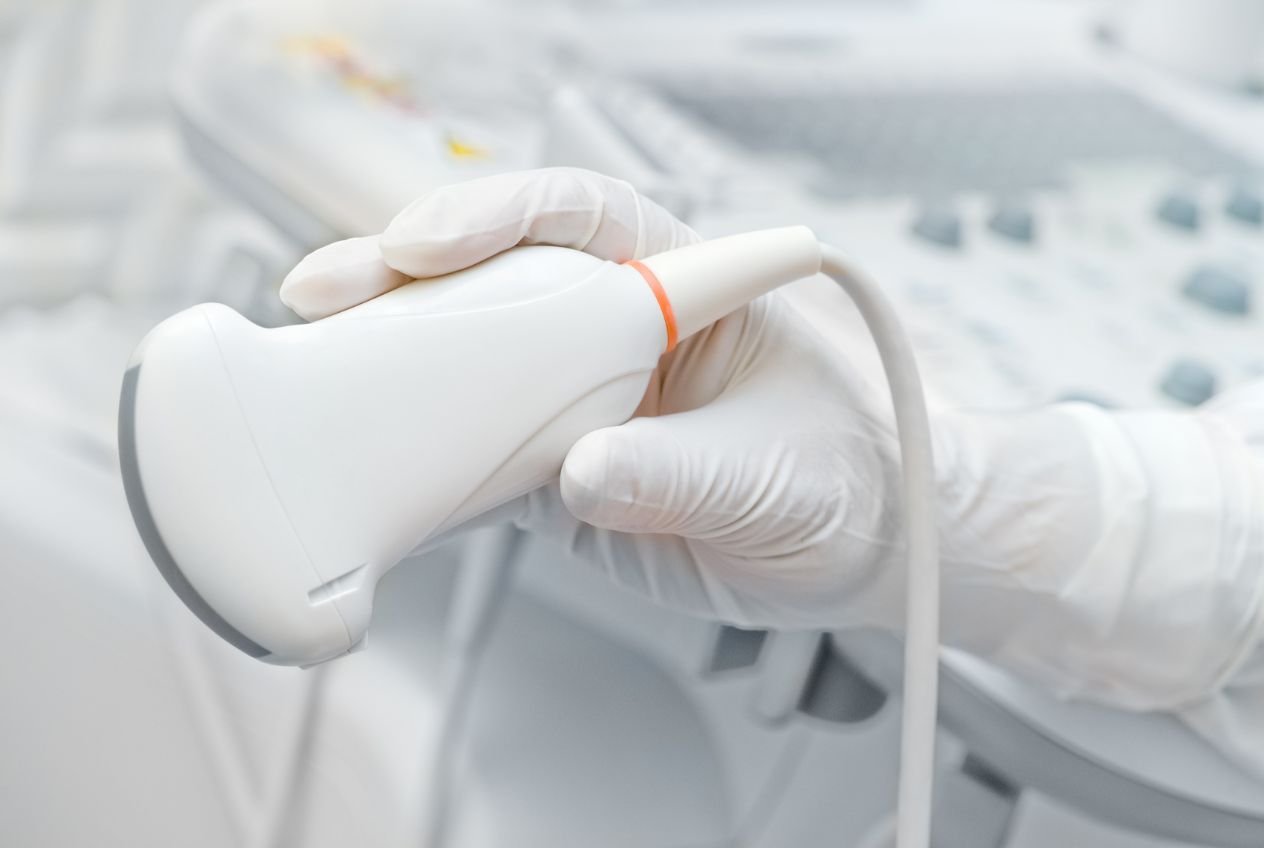
- Ultrasound diagnostics: Detailed ultrasound of the entire urinary tract.
- Interventions: Placement and replacement of urinary catheters, as well as minor urological interventions.
Modern urological diagnostics
The basis of any good urological examination is a detailed interview with the patient (anamnesis) and an ultrasound examination.
Urotract ultrasound is a completely painless, non-invasive and quick diagnostic method that provides the doctor with a clear and precise insight into the structure of the kidneys, bladder and prostate.
Along with basic laboratory analyzes of urine and blood, this approach enables a quick establishment of an accurate diagnosis and timely initiation of adequate therapy, thus preventing transitions of acute infections to chronic conditions.